
Welcome to the grandeur of American theater‘s most prestigious night, where the stars of Broadway shine and the curtains rise to honor theatrical excellence. The Tony Awards, officially known as the Antoinette Perry Award for Excellence in Broadway Theatre, are the pinnacle of recognition for live Broadway theatre. But when did the Tony Awards start? The journey begins in the early 20th century, a pivotal era for American theater.
The Tony Awards were established in 1947, named in honor of Antoinette Perry, an actress, director, producer, and the dynamic wartime leader of the American Theatre Wing. The inaugural event aimed to celebrate exceptional theatre artists and encourage the diverse art of live Broadway theatre. It was a time to recognize not just the stars on stage, but the entire ensemble of talent, including directors, designers, and choreographers that contribute to the magic of Broadway.
From humble beginnings with informal gatherings, the Tony Awards have grown into an annual extravaganza, telecast across the globe. It’s a night where memories are made, and the theater community comes together to celebrate their own. The legacy of Antoinette Perry lives on through these awards, inspiring generations of theater artists.
Curious about the rich history and unforgettable moments that have defined the Tony Awards over the years? Visit our website to learn more and get started today! Click here.
The Birth of the Tony Awards: A Historical Overview

The inaugural Tony Awards ceremony took place on April 6, 1947, at the Waldorf Astoria hotel in New York City. It was conceived by a committee of the American Theatre Wing headed by Brock Pemberton. The event was a dinner party for the theater community, rather than the large public spectacle it is today. It served as both a memorial to the late Antoinette Perry and as a platform to celebrate what was then the relatively small world of Broadway theater.
Interestingly, the Tony Awards did not start with the iconic medallion that we know today. The first awards were a scroll, a cigarette lighter for men, or a compact for women. It wasn’t until 1949 that the medallion was introduced, designed by art director Herman Rosse. The medallion’s design features the comedy and tragedy masks, staple symbols of theater, and it is mounted on a rotating base to signify the dynamic nature of theater. Over time, the design of the trophy has been slightly altered, but its essence remains the same, symbolizing theatrical achievement.
In the years following its birth, the Tony Awards quickly gained prestige and became a coveted honor for theater professionals. The initial categories were limited but grew to reflect the expanding scope of Broadway productions. The awards began to be broadcast on radio in the early 1950s and transitioned to television broadcasts in 1967, marking a significant step in bringing Broadway to a wider audience and solidifying the Tonys as a key annual event in American entertainment.
The Tony Awards Evolution: From Humble Beginnings to Grand Ceremonies
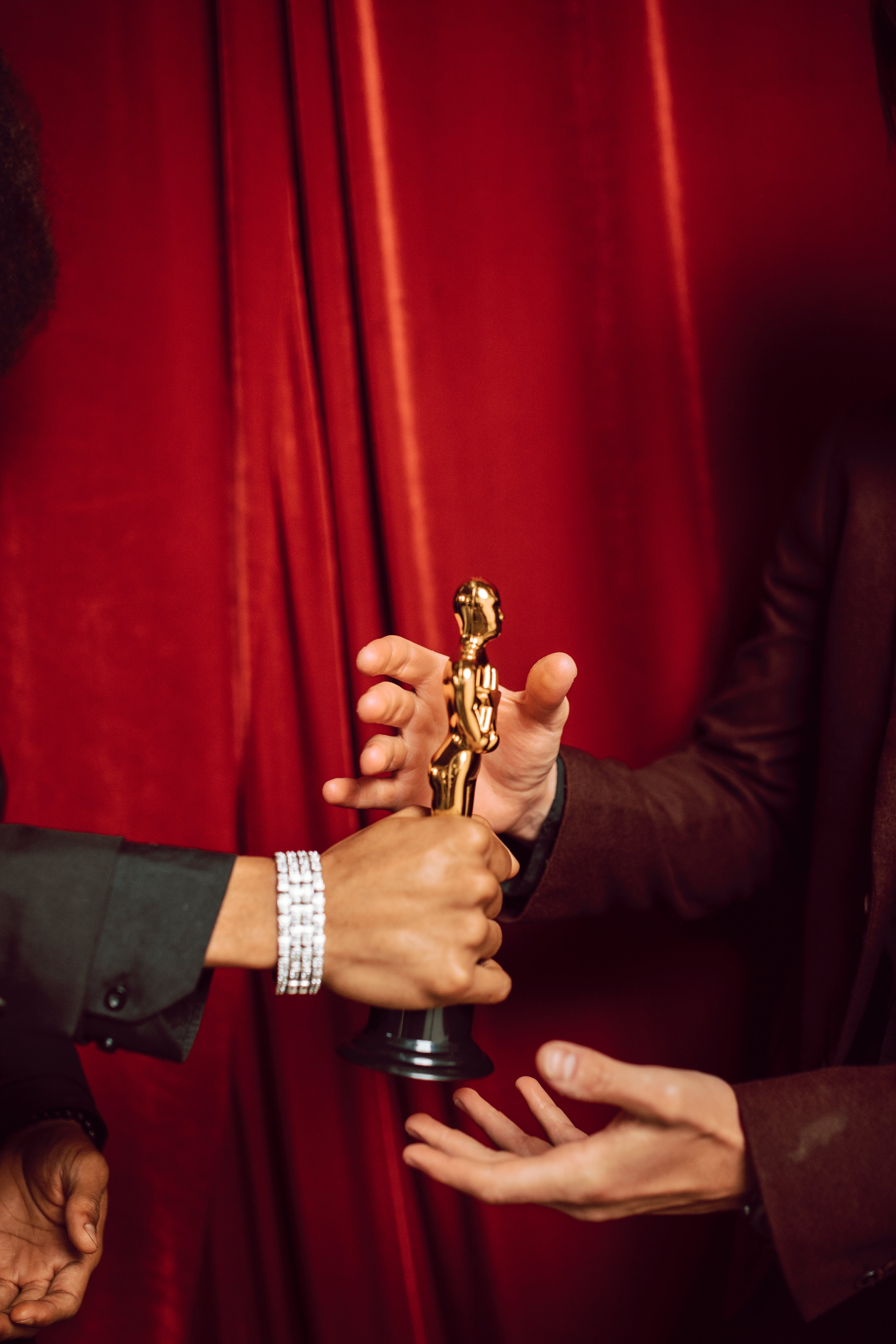
From its modest inception as a private gathering at the Waldorf Astoria, the Tony Awards have undergone a remarkable transformation. The evolution of the Tony Awards mirrors the growth of American theater and its rising prominence in the cultural landscape. In the 1950s and 1960s, as the American theater scene flourished with groundbreaking productions, the Tony Awards expanded their categories to recognize a broader range of talents, including directors, choreographers, and designers.
The shift from radio to television broadcasts in 1967 was a pivotal moment for the Tony Awards. The televised event allowed the ceremony to reach an unprecedented number of viewers, showcasing Broadway’s best to a national audience. This transition not only elevated the profile of the awards but also of the performers, playwrights, and other artists involved in theater. The grand ceremonies we see today are replete with performances from nominated musicals, speeches from theater icons, and red-carpet glamour, all contributing to the Tonys’ status as a major event in the entertainment calendar.
The Tony Awards have also seen changes in venue, moving from smaller banquet rooms to larger theaters to accommodate growing audiences. Iconic venues like the Beacon Theatre and Radio City Music Hall have hosted the event, underscoring the ceremony’s significance and prestige. The grandeur of these settings provides a fitting backdrop for the celebration of Broadway’s finest achievements. With each passing year, the Tony Awards continue to adapt and innovate, ensuring that the ceremony remains a vibrant and much-anticipated highlight for theater enthusiasts around the world.
Defining Moments in Tony Awards History

The Tony Awards have been marked by numerous defining moments that have left an indelible mark on the world of theater. One such moment was in 1975 when ‘A Chorus Line’ won nine Tony Awards, including Best Musical, and went on to become one of the longest-running shows in Broadway history. This success highlighted the power of the Tony Awards to propel shows to unprecedented heights of popularity.
Another historical milestone occurred in 1983 when the legendary composer Stephen Sondheim’s ‘Sunday in the Park with George’ was recognized with a Pulitzer Prize for Drama following its Tony Award wins. This underscored the Tony Awards’ influence in recognizing and validating groundbreaking artistic works.
In recent years, ‘Hamilton’ took the Tony Awards by storm in 2016, winning 11 awards including Best Musical. Its innovative blend of hip-hop and history captured the imagination of audiences and critics alike, showcasing the evolving nature of Broadway and the theater industry. The rousing performance by the ‘Hamilton’ cast at the Tony Awards ceremony is remembered as a transformative moment for the awards, reflecting the ongoing cultural relevance of theater.
These moments, among others, have helped to shape the narrative of the Tony Awards, cementing its place as a barometer for excellence in American theater. As the awards continue to evolve, they will undoubtedly be punctuated by more such moments that capture the triumphs and innovations of Broadway’s brightest talents.
Key Figures and Influencers in the Early Tony Awards
From its inception, the Tony Awards were shaped by key figures and influencers who were passionate about celebrating excellence in theater. The awards were named after Antoinette Perry, an actress, director, producer, and the co-founder of the American Theatre Wing, who was instrumental in the establishment of the awards. Her dedication to the arts was a driving force in recognizing and fostering theatrical talent.
Another towering figure was Brock Pemberton, who served as the first chairman of the Tony Awards. He coined the term ‘Tony,’ as a loving nickname for Antoinette Perry, and his leadership helped to steer the awards through their formative years. Pemberton’s vision was for the Tonys to be a celebration of the community, not just a competition among peers, setting a tone of camaraderie that persists to this day.
Over the years, influential theater professionals such as Helen Menken, the first president of the American Theatre Wing, and the prolific playwright and director George Abbott, whose works earned him multiple Tony Awards, contributed significantly to the growth and prestige of the event. Their collective efforts established a standard of excellence and a spirit of mentorship that encouraged new talent to thrive.
The early Tony Awards were also marked by the influence of iconic performers such as Julie Harris and Angela Lansbury, both of whom have won five Tony Awards each. Their outstanding performances and dedication to the theater greatly contributed to the high standards and artistic integrity the Tony Awards represent.
These key figures and influencers laid the groundwork for what would become a treasured institution within the American theater community, ensuring the Tony Awards’ place as a beacon of theatrical achievement for generations to come.
The Tony Awards Today: Celebrating Excellence in Theater

The Tony Awards today stand as a pinnacle of recognition for the theatrical community, an event where the year’s finest achievements on Broadway are celebrated with pomp and splendor. The awards continue to honor the best in playwriting, musical scores, performances, and technical prowess, encompassing a wide array of categories that spotlight the diverse talents that bring theater to life.
Modern ceremonies are broadcasted to millions, allowing theater enthusiasts from around the globe to partake in the glamour. The event not only celebrates current theatrical successes but also encourages the next generation of playwrights, actors, and designers. With a commitment to fostering the future of theater, the Tony Awards have incorporated educational programs and initiatives that support aspiring artists.
The ceremony itself has become a showcase of spectacular live performances from nominated shows, offering a taste of Broadway to viewers worldwide. As the Tony Awards adapt to the changing landscape of theater, they remain steadfast in their original mission of recognizing excellence and offering a night of unity and celebration for the theater community.
Whether you’re a die-hard theater aficionado or a newcomer to the world of Broadway, the Tony Awards are a testament to the unyielding passion and creativity that define American theater. For those eager to dive deeper into the glitz, the performances, and the history-making moments of the Tony Awards, visit our website to learn more and get started today! Click here.
The Tony Awards today not only acknowledge individual and collective brilliance but also reflect the evolution of American theater and its enduring significance in the cultural tapestry.
Leave a Reply