
When it comes to prestigious accolades in the film industry, nothing quite compares to the allure of the Academy Awards, often known simply as the Oscars. But is the Oscar award real gold? The iconic Oscar statuette has undergone various changes in its composition throughout the years, but its appearance has always suggested a composition of pure gold. In reality, the Oscar is made of solid bronze and plated in 24-karat gold. This luxurious finish contributes to the statuette’s gleaming appearance, one that has become synonymous with the pinnacle of cinematic achievement.
The process of creating an Oscar is meticulous and ensures the statuette’s quality and splendor. Skilled artisans pour molten bronze into a cast to form the figure, which is then polished to achieve a smooth base for the gold plating. The final touch of real gold gives the Oscar its prestigious finish, a symbol of excellence that every filmmaker aspires to hold. While it may not be solid gold throughout, the Oscar’s value lies far beyond its physical composition, representing the highest honors in storytelling and cinematic artistry.
Curious to learn more about the glamour and the secrets behind the Oscars? Visit our website to learn more and get started today! Click here.
The Evolution of the Oscar Award Materials

The Oscar statuette has not only been a symbol of achievement but also a piece of art that reflects the times of its creation. It has experienced an evolution in materials used, primarily due to historical circumstances. During World War II, metal was scarce because of the need to channel resources into the war effort. As a result, the Academy temporarily crafted the Oscars from painted plaster for three years. Once the war ended, the Academy replaced these with the traditional gold-plated metal statues.
Following the war, the Oscars returned to their more opulent form, but the base materials have varied over time. From gold-plated bronze to a brief period of gold-plated Britannia metal, a pewter-like alloy, the core of the Oscar has seen different iterations. It wasn’t until 1982 that the Academy settled on the current manufacturing process. The statuettes are now created with a bronze core and are subsequently plated in 24-karat gold to ensure enduring luster and heft.
The statuette’s size and weight have also remained consistent in recent decades, standing at 13.5 inches tall and weighing a substantial 8.5 pounds. This consistency in size adds to the Oscar’s iconic status, as the silhouette of the figure holding a crusader’s sword is instantly recognizable. The evolution of the Oscar Award materials parallels the film industry‘s own technological and artistic advancements, symbolizing the Academy’s enduring commitment to honoring excellence in a form that is both timeless and historically reflective.
Behind the Scenes: Manufacturing the Oscars
The manufacturing of an Oscar statuette is a meticulous process that combines traditional craftsmanship with modern technology. The initial step involves sculpting a model, which is then used to create a mold. Bronze is poured into this mold to form the statuette’s core. After the bronze has cooled and been extracted, it undergoes a series of refinements to eliminate any imperfections and to ensure that the surface is perfectly smooth, ready for the plating process.
Electroplating is the next stage, where the bronze core is coated in copper, nickel silver, and finally, 24-karat gold. The statuette is submerged into tanks containing these metals in liquid form, and through an electrochemical process, the metals adhere to the statuette’s surface. The thickness of the gold plating is carefully controlled to achieve a consistent and durable finish that meets the Academy’s high standards.
Once the plating is complete, each Oscar is individually polished to a mirror-like sheen, bringing out the radiance for which the awards are known. The final step is the attachment of a metal plate to the base of the statuette, which has the category and winner’s name engraved upon it. This personalized touch is what makes each Oscar unique and a treasured keepsake for its recipient. The entire process is a blend of precision and artistry, ensuring that when the curtain rises on the big night, the Oscars are a fitting tribute to the highest achievements in filmmaking.
The Value of an Oscar: Beyond Precious Metals

While the composition of an Oscar statuette includes real gold, the true value of this esteemed award transcends its material worth. An Oscar represents the pinnacle of recognition in the film industry, symbolizing a professional achievement that is often the result of years of dedication and artistic endeavor. Winning an Oscar can catapult an artist’s career to new heights, opening doors to more ambitious projects and commanding higher fees.
Moreover, the prestige associated with the Oscar has a ripple effect throughout the industry. Films that receive an Oscar nod often experience a surge in box office revenue, a phenomenon known as the ‘Oscar bounce.’ The statuette itself can also become a valuable collectible, especially in rare cases when they are legally sold or auctioned, fetching prices that reflect its cultural significance rather than its metal content.
For many recipients, however, the Oscar is priceless. It is a symbol of peer recognition, an acknowledgment from the industry that their work has made an indelible mark on the landscape of cinema. The Oscar statuette becomes a treasured heirloom, often passed down through generations, imbued with personal and historical narratives that are worth far more than the sum of its parts. The Oscar is not merely a trophy but a storied emblem of cinematic excellence and personal triumph.
Care and Preservation of Oscar Statuettes

The care and preservation of Oscar statuettes are of paramount importance to recipients who wish to maintain the luster and significance of their awards. Over time, the gold-plated surface of an Oscar can become tarnished or scratched if not properly handled and stored. To prevent degradation, owners are advised to handle the statuette with clean, soft gloves and to clean it with a gentle cloth that won’t scratch the surface.
Furthermore, the Academy provides restoration services for damaged or aging statuettes, ensuring that these symbols of cinematic achievement can be restored to their original glory. This service underscores the commitment to honoring the historical and sentimental value of each Oscar. It is recommended to keep the statuette in a temperature-controlled environment and away from direct sunlight, which can cause fading or discoloration over time.
Display cases are often used by Oscar winners to both showcase their statuette and protect it from dust and accidental damage. These cases can be custom-made with UV-protective glass to further shield the statuette from light damage. The responsibility of preserving an Oscar statuette is not taken lightly, as it represents not just a personal triumph but a piece of film history. Therefore, meticulous care is a testament to the reverence held for the award within the industry.
Oscar Trivia: Facts About the Academy Award
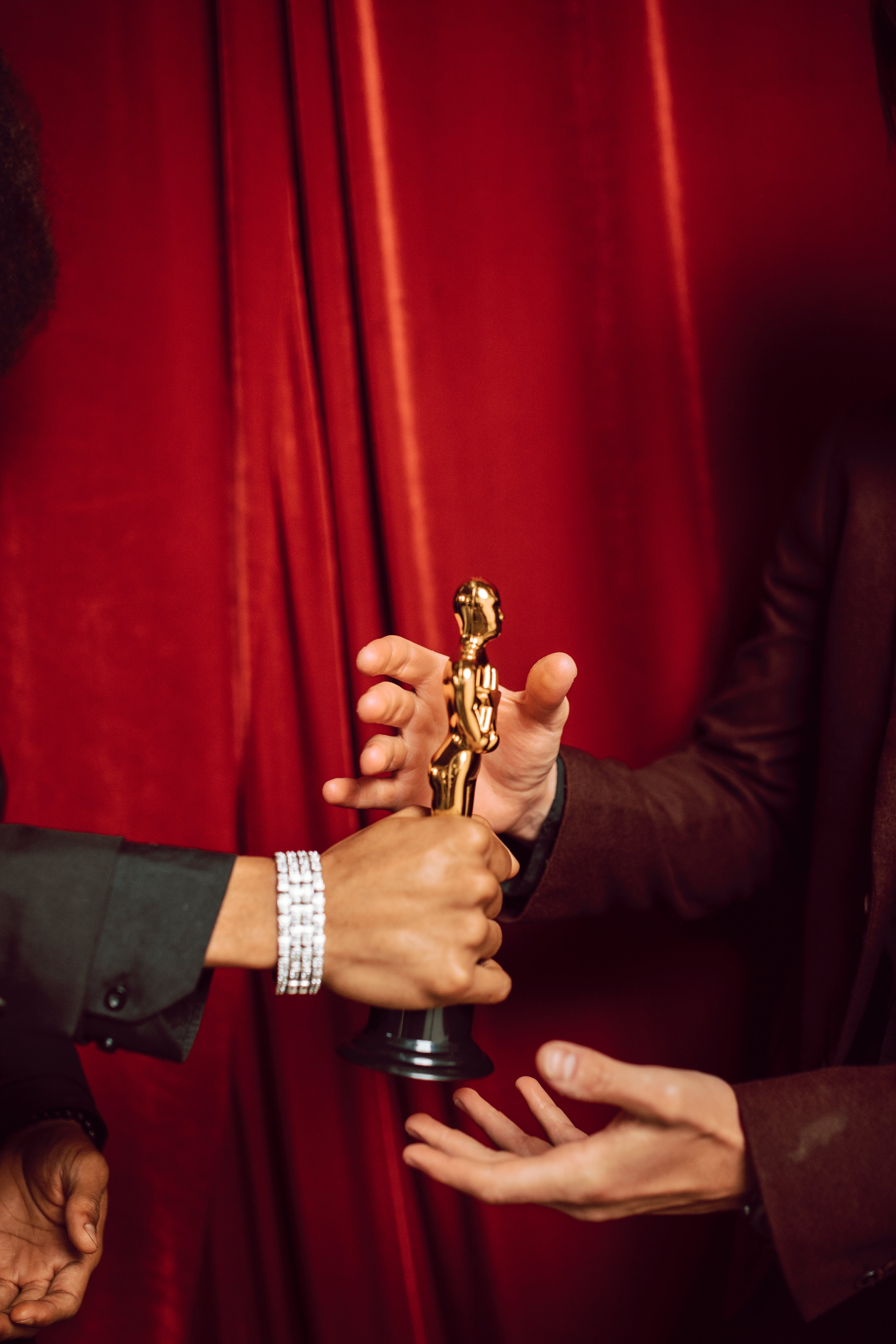
As a beacon of cinematic excellence, the Academy Awards are shrouded in both grandeur and fascinating trivia. Did you know that the Oscar statuette stands at a majestic 13.5 inches and weighs a substantial 8.5 pounds? Throughout its history, the design of the Oscar has remained largely unchanged, symbolizing the timeless recognition of artistic merit.
The youngest ever Oscar winner, Tatum O’Neal, won Best Supporting Actress at just 10 years old, while the oldest, Christopher Plummer, secured his award at the age of 82. The Oscars have also been postponed only three times in history: because of the Los Angeles flood in 1938, following the assassination of Dr. Martin Luther King Jr. in 1968, and after the attempted assassination of President Ronald Reagan in 1981.
Another intriguing fact is that the Academy Awards ceremony was first televised in 1953 and has since become a global phenomenon, watched by millions around the world. In keeping with the tradition of secrecy, the results are known only to the accountants from Price Waterhouse Coopers until the envelope is opened live on stage.
If these snippets of Oscar lore have piqued your interest, there’s a whole world of awards history and insider buzz waiting for you. Visit our website to learn more and get started today! Click here for an in-depth dive into the stories that have shaped the Oscars over the years, from groundbreaking achievements to heartwarming acceptance speeches, and everything in between.
Leave a Reply